

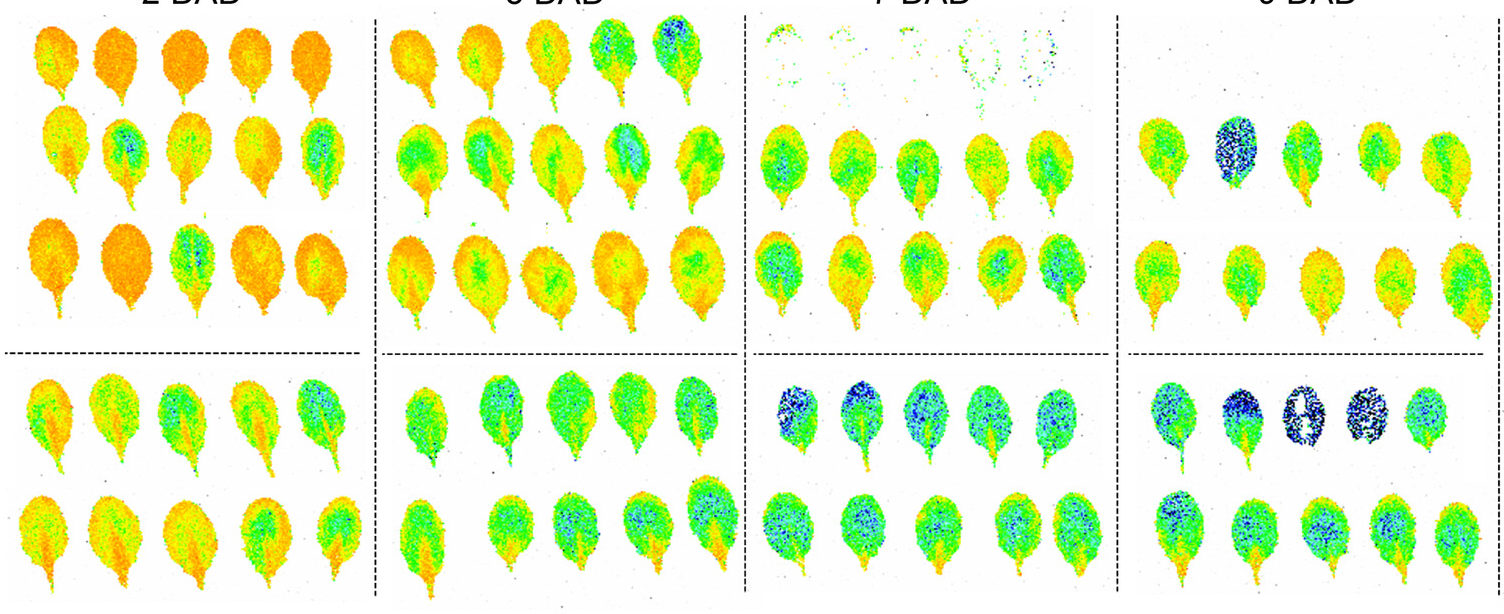
An international research team has uncovered a previously unknown mechanism that enables plants to protect their photosynthetic apparatus during extended periods of darkness. The researchers found that plant hormones called cytokinins help leaves withstand prolonged light deprivation by placing the photosynthetic machinery into a special resting state. Once light conditions are restored, plants are able to rapidly and safely recover from this state and resume full photosynthetic activity.
The findings, published in the prestigious international journal New Phytologist provide new insights into how plants regulate their energy balance and respond to unfavorable environmental conditions.

The research was significantly contributed to by two teams from the Faculty of Science of Palacký University Olomouc – the team of Dr. Ondřej Plíhal from the Laboratory of Growth Regulators, a joint workplace of the Institute of Experimental Botany of the Czech Academy of Sciences and the Faculty of Science of Palacký University, and the team of Assoc. Prof. Martina Špundová from the Department of Biophysics. Experts from the Brno-based CEITEC institute and the Masaryk Memorial Cancer Institute also contributed to the project.
The study expands current knowledge of the role of plant hormones in adaptation to environmental changes and demonstrates that cytokinins are involved not only in plant growth and development but also in protecting essential cellular processes required for plant survival under changing environmental conditions.