

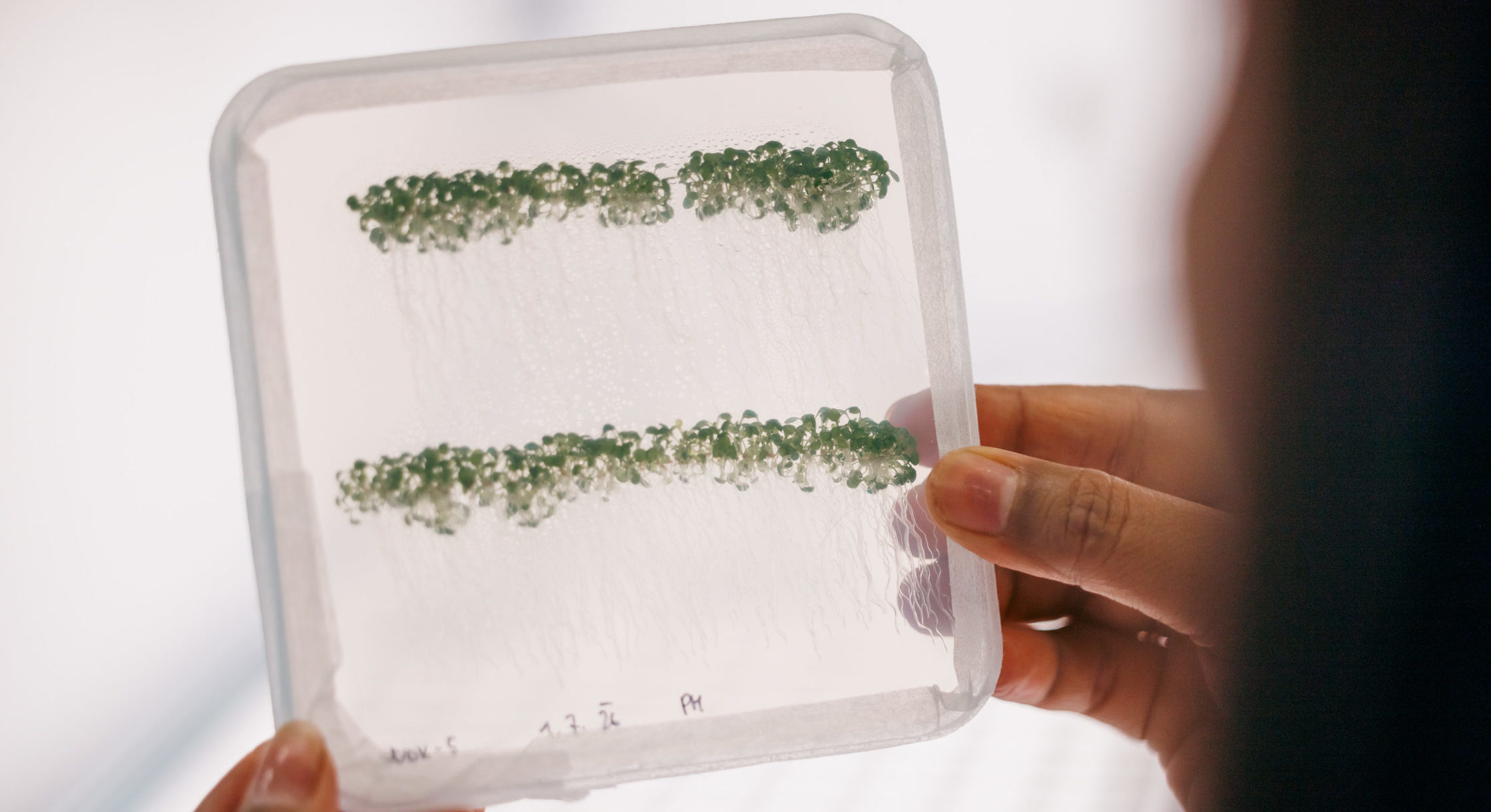
A newly approved European network, BIORAG – Biostimulants for Resilient Agriculture, will focus on research into biostimulants that improve nutrient use efficiency and help plants better cope with stress conditions such as drought, salinity, and temperature extremes.
The main proposer of the project is Shubhpriya Gupta from the Laboratory of Growth Regulators, a joint workplace of the Faculty of Science of Palacký University and the Institute of Experimental Botany of the Czech Academy of Sciences. She will chair the network for four years. The project is scheduled to start on 29 October 2026.

Biostimulants are neither conventional fertilizers nor pesticides. They are substances or microorganisms that support natural physiological processes in plants. “They can improve nutrient uptake, promote root system development, increase plant tolerance to stress conditions, influence crop quality and yield, or enhance soil microbiome activity. They include, for example, beneficial bacteria and fungi, seaweed extracts, humic substances, amino acids, and protein hydrolysates,” said Shubhpriya Gupta.
BIORAG will harmonize biostimulant research approaches
The BIORAG network aims to address the current fragmentation of biostimulant research and establish a common European framework for their study and evaluation. It will focus on a better understanding of the mechanisms underlying biostimulant activity, the standardization of laboratory and greenhouse bioassays, and the development of unified methods for assessing their effectiveness. An important part of the project will also involve transferring validated methods from model plants to agricultural crops and woody species, harmonizing data and experimental procedures, and supporting the registration of new biostimulant products.